If you’re considering upgrading your Melbourne home’s heating system, aside from “how soon can I switch my old gas heater to a better electric one,” one of the first questions you’ll ask is: “How much will it cost?”
The answer depends on several factors, including the type of heating system you choose, the size of your home, installation requirements, and your long-term comfort goals. While upfront costs are an important consideration, it’s equally important to understand the ongoing running costs, energy efficiency, and lifespan of different heating solutions.
Modern electric heating systems have become increasingly popular among Australian homeowners due to their efficiency, convenience, and ability to provide reliable year-round comfort. Whether you’re building a new home, replacing an outdated gas heater, or upgrading to a more energy-efficient solution, understanding the costs involved can help you make a more informed decision.
In this guide, we’ll break down the factors that influence electric heating installation costs, compare common electric heating options (and why they are replacing obsolete gas systems), and explain how professional heating services can help you find the right system for your home.
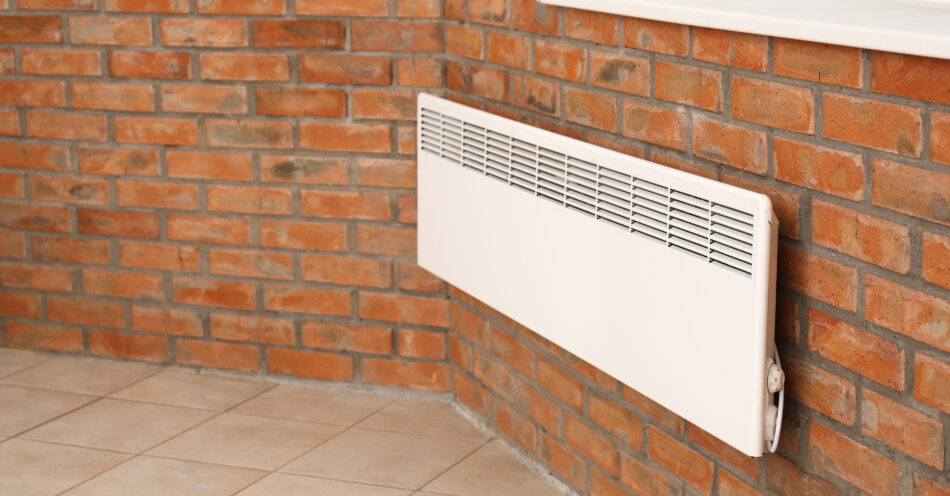
Electric heating refers to any heating system powered by electricity rather than gas, wood, or other fuel sources.
There are several types of electric heating systems available, including:
Each option comes with different installation requirements and associated costs, making it important to evaluate both the initial investment and long-term operating expenses. Though, it is almost certain that switching an aging gas system to modern electrical heating will save you money over time.
Electric heating has evolved significantly over the past decade. Modern systems are more efficient than ever, particularly reverse cycle heating systems, which have become one of the most popular heating solutions for Victorian homes (and our customers).
Some of the key reasons homeowners are switching to electric heating include:
As energy efficiency standards continue to improve, many homeowners see electric heating as a future-focused investment.
Across Victoria, homeowners are choosing to replace older gas heating systems with energy-efficient electric alternatives. While ageing gas heaters can still provide reliable warmth, increasing running costs, ongoing maintenance requirements, and changing energy preferences are prompting many households to consider an upgrade.
Modern reverse cycle air conditioning offers an attractive alternative by delivering highly efficient heating during winter and cooling throughout summer from a single system. Rather than maintaining separate heating and cooling appliances, homeowners can enjoy year-round climate control with one integrated solution.
For many people, replacing an old gas heater isn’t simply about installing a new system, it’s about investing in greater comfort, improved energy efficiency, and a heating solution that’s well suited to the future of Australian homes.
The cost of heating a home has become a significant concern for many Victorian households, particularly as gas prices have continued to increase in recent years. As energy bills rise, homeowners are paying closer attention to the long-term running costs of their heating systems, rather than focusing on the initial installation price.
Reverse cycle air conditioning is widely recognised as one of the most energy-efficient ways to heat a home. Because these systems transfer heat instead of generating it directly, they can deliver several units of heat for every unit of electricity they consume. This high level of efficiency often translates into lower ongoing heating costs compared to older gas heating systems.
When comparing installation options, it’s important to consider not only the upfront investment but also the potential savings over the life of your system.

One of the biggest advantages of upgrading to reverse cycle air conditioning is that a single system provides both heating and cooling. Instead of relying on a gas ducted heater during winter and a separate cooling system in summer, homeowners can enjoy consistent indoor comfort all year round with one efficient installation.
This can simplify maintenance, reduce the number of appliances requiring servicing, and help lower long-term ownership costs. Modern reverse cycle systems also offer precise temperature control, quiet operation, and improved energy efficiency, making them a practical replacement for older gas heating systems.
For many homeowners, the ability to replace an ageing gas heater with a single, versatile solution adds significant value beyond the initial installation cost.
The cost of installing a new electric heating system may be lower than many homeowners expect thanks to the Victorian Energy Upgrades (VEU) program. Eligible customers replacing older gas heating systems with approved high-efficiency reverse cycle air conditioning may qualify for government rebates that significantly reduce the upfront cost of installation.
Eligibility depends on factors such as your existing heating system and the equipment being installed, but these incentives can make switching from gas to electric far more affordable than many people realise.
If you’re considering replacing an older gas heater, it’s worth checking whether you qualify for a VEU rebate before making your decision. We can help assess your eligibility, explain the available incentives, and guide you through the rebate process, making it easier to maximise the savings available while upgrading to an energy-efficient heating and cooling solution.
There is no universal price for installing an electric heating system because every property is different.
Several factors influence the final cost.
The biggest factor affecting installation costs is the type of system you choose.
A small wall-mounted split system designed to heat a single room will naturally cost less than a whole-home ducted system.
Common electric heating options include:
These systems provide both heating and cooling through a single indoor unit connected to an outdoor compressor.
They’re ideal for:
Installation costs are generally lower because only one indoor unit needs to be installed.
Ducted systems distribute conditioned air through a network of ducts installed throughout the home.
They offer:
Because they require extensive ductwork and more complex installation, ducted systems generally involve higher upfront costs.
The larger your home, the larger the heating system required.
Heating capacity is typically measured in kilowatts (kW). A small apartment may require only a modest system, while larger family homes often need significantly greater heating capacity.
Installing an undersized system can result in poor performance and higher running costs, while an oversized system may lead to unnecessary upfront expenditure.
Professional heating services can accurately assess your property’s heating requirements and recommend the most appropriate system size.
Installation costs may also depend on whether your property already has suitable infrastructure in place.
Factors include:
Older homes may require electrical upgrades before a new heating system can be installed safely and efficiently.
Many modern heating systems offer zoning functionality, allowing different areas of the home to be heated independently.
Zoning can improve comfort while reducing energy consumption because you’re only heating the areas you’re using.
However, additional zoning components can increase installation costs.
The trade-off is often worthwhile due to improved efficiency and greater temperature control.
Higher-efficiency systems generally come with a larger upfront investment.
However, they often deliver substantial savings over time through lower electricity consumption.
Many homeowners focus solely on installation costs, but it’s important to consider the total cost of ownership, including energy bills over the system’s lifespan.
In many cases, spending slightly more on a highly efficient system can result in significant long-term savings.
One of the biggest mistakes homeowners make is focusing solely on upfront installation costs.
A cheaper system may cost significantly more to operate over time.
For example:
When evaluating options, it’s important to consider:
Looking at the complete picture often leads to a more cost-effective long-term decision.

Even the best heating system can underperform if it isn’t correctly specified and installed.
This is why professional Sales & Installation services play such an important role in achieving optimal results.
A qualified heating specialist will evaluate factors such as:
Based on this assessment, they’ll recommend a system that delivers the right balance of comfort, efficiency, and value.
Proper installation ensures:
Choosing a reputable provider for your Sales & Installation project can significantly improve both comfort and long-term system performance.
Professional heating services do more than simply install equipment.
Experienced heating specialists can help homeowners:
A comprehensive assessment ensures you’re investing in a solution that meets your specific needs rather than paying for unnecessary features or capacity.
If you’re currently using an older heating system, upgrading may provide significant benefits.
Common signs it may be time to replace your system include:
Modern electric heating systems are substantially more efficient than many older models, making replacement a worthwhile investment for many households.
When budgeting for a new electric heating system, it’s helpful to think beyond the installation itself.
Additional considerations may include:
A reputable heating provider will clearly explain all costs involved, so there are no surprises during the project.
By understanding both upfront and long-term expenses, you can make a confident and informed decision.
The best heating system isn’t necessarily the cheapest or the most expensive.
It’s the one that matches your home’s unique requirements while delivering reliable comfort and efficient performance.
For many Australian households, reverse-cycle heating offers an excellent balance of affordability, efficiency, and versatility. Others may find alternative electric heating solutions better suited to their specific needs.
The key is working with experienced professionals who can assess your property and provide tailored recommendations based on real-world performance rather than generic assumptions.
Every home is different, which means every heating solution should be too.
Whether you’re considering reverse cycle heating, exploring electric heating options, or comparing other systems, our experienced team can help you make the right choice.
We provide professional heating services, expert Sales & Installation support, and tailored recommendations designed around your home’s layout, comfort goals, and budget.
Get a tailored quote for your home heating needs today by calling us at 03 9726 4444 or emailing us at admin@austclimate.com.au and discover the most efficient way to keep your home warm and comfortable for years to come.