As energy prices continue to rise, many Melbourne homeowners are looking for heating solutions that deliver reliable comfort without sending electricity bills skyrocketing. If you’re comparing heating options, one of the most common questions is whether electric panel heaters or reverse cycle heating offer better value.
While both systems use electricity to warm your home, they operate in very different ways. Understanding how each system works, its installation costs, running costs, efficiency, and long-term value can help you make an informed decision.
At Australian Climate Solutions, we provide professional heating services and install high-quality reverse-cycle heating systems that keep Victorian homes comfortable throughout every season. Here’s what you need to know when comparing electric panel heaters to reverse-cycle heating.
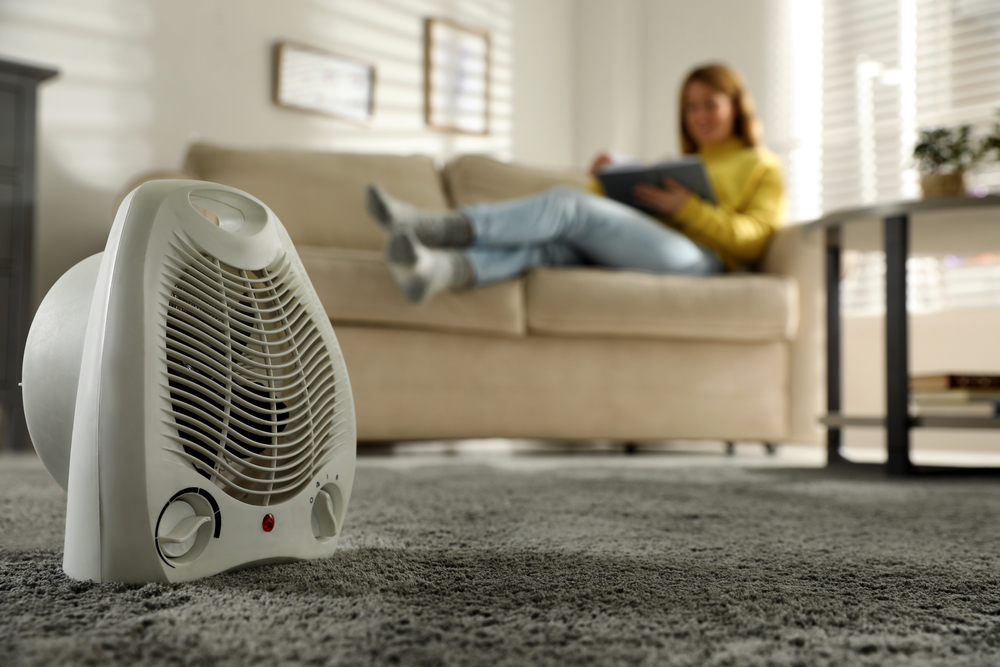
Electric panel heaters are a straightforward heating solution that converts electricity directly into heat using an internal heating element. As the element warms up, heat is transferred into the room through convection and radiant warmth.
Because they don’t require ductwork or an outdoor unit, panel heaters are relatively simple to install and can be a practical option for heating individual rooms or smaller spaces.
They’re often chosen for:
While panel heaters can provide comfortable warmth in small areas, they are generally designed as room-by-room heating rather than whole-home climate control.
Reverse cycle heating uses heat pump technology rather than generating heat directly.
Instead of creating warmth through an electric element, the system extracts heat from the outside air and transfers it inside your home. Even on cold Melbourne winter days, there is enough heat in the outside air for the system to operate efficiently.
Because it moves heat rather than produces it, reverse-cycle heating is recognised as one of the most energy-efficient heating technologies available today.
Whether installed as a split system or a ducted system, reverse cycle heating provides:
This dual-purpose functionality makes reverse cycle systems particularly popular with Melbourne homeowners looking for year-round comfort.

When comparing ongoing operating costs, reverse cycle heating is usually the more economical option.
Electric panel heaters convert electricity directly into heat. While this process is simple, it also means the heater uses a relatively large amount of electricity to produce warmth.
Reverse cycle systems operate much more efficiently because they transfer existing heat instead of generating it from scratch. For every unit of electricity consumed, a reverse cycle system can deliver several units of heat, making it significantly more efficient than traditional electric resistance heating.
For homeowners who regularly heat living areas throughout winter, this difference in efficiency can translate into noticeably lower running costs over the life of the system.
If you’re heating an entire home or frequently using your heating during Melbourne’s colder months, reverse cycle heating is often the more cost-effective long-term solution.
With household energy costs continuing to rise, more homeowners are paying closer attention to the efficiency of their heating systems.
While no heating solution is free to run, choosing an efficient system can make a significant difference to ongoing energy bills.
Many Victorian households are now looking beyond the initial purchase price and considering the total cost of ownership, including:
Although electric panel heaters may have a lower upfront purchase cost, their higher electricity consumption can make them more expensive to operate over time, particularly when heating larger spaces or multiple rooms.
Reverse cycle heating often provides greater long-term value by combining lower running costs with improved comfort and year-round functionality.
Installation costs vary depending on the size of your home and the type of system you choose.
Electric panel heaters generally have a lower initial installation cost because they require minimal infrastructure. For homeowners who only need occasional heating in one room, this can make them an attractive option.
Reverse cycle systems typically involve a higher upfront investment, particularly if you’re installing ducted heating throughout an entire home. However, this higher installation cost often reflects the greater capability of the system.
Unlike panel heaters, reverse cycle systems provide:
When evaluating overall value, it’s important to consider not only the installation cost but also the savings you may achieve through lower energy consumption over many years.
Cost isn’t the only factor worth considering.
Reverse cycle systems generally provide a higher level of comfort thanks to their ability to maintain consistent temperatures throughout your home.
Many modern systems also include features such as:
Electric panel heaters typically provide comfortable localised heating but can take longer to warm larger rooms and are less practical for heating multiple living areas.
For households seeking consistent comfort throughout winter, reverse cycle heating usually offers greater flexibility.
One of the biggest advantages of reverse cycle heating is its versatility.
Unlike electric panel heaters, which only provide heating, reverse cycle systems can also cool your home during Melbourne’s warmer months.
This means one installation can replace separate heating and cooling appliances, reducing the need to purchase, maintain, and eventually replace multiple systems.
For many homeowners, this year-round functionality makes reverse cycle heating a smarter long-term investment.
Both heating options benefit from regular maintenance, but reverse cycle systems generally require professional servicing to ensure they continue operating efficiently.
Routine servicing helps:
Electric panel heaters require comparatively little maintenance beyond keeping them clean and ensuring adequate airflow around the unit.
At Australian Climate Solutions, our professional heating services include routine servicing, system inspections, fault diagnosis, repairs, and replacement advice to help your heating system perform at its best.
If you’re considering upgrading your home’s heating, it’s worth exploring whether you’re eligible for support through the Victorian Energy Upgrades (VEU) program.
Eligible homeowners replacing older heating systems with approved high-efficiency reverse cycle systems may qualify for government rebates that help reduce the upfront installation cost.
These incentives are designed to encourage Victorian households to adopt more energy-efficient technologies while lowering long-term household energy consumption.
Eligibility depends on several factors, including your existing heating system and the equipment being installed.
Our team can help assess your eligibility, explain the available rebates, and guide you through the process so you can make the most of any incentives available.
The best heating solution depends on your individual circumstances.
Electric panel heaters may suit homeowners who:
Reverse cycle heating is generally the better choice for homeowners who:
While panel heaters have their place, reverse cycle systems offer greater efficiency, versatility, and long-term value for most Melbourne homes.
When comparing electric panel heaters and reverse cycle heating, it’s important to look beyond the purchase price alone.
Although panel heaters may appear more affordable initially, reverse cycle heating often delivers significantly lower running costs, greater comfort, and the convenience of year-round heating and cooling. Combined with potential savings through the Victorian Energy Upgrades program, investing in an efficient reverse cycle system can provide excellent long-term value.
If you’re unsure which option is best for your home, the experienced team at Australian Climate Solutions can help you compare your choices and recommend a heating solution that suits your home, lifestyle, and budget.
Find the most energy-efficient heating option for your home. Call our experts at 03 9726 4444 or email us at admin@austclimate.com.au for professional guidance.